Our heritage

Built by weavers. Waiting for us.

Nearly 190 years of the story of 5 Paulett Avenue, East Belfast: from 193 signatures in 1835 to the next chapter we are writing now.

Photo: PVN survey

Timeline

From 1831 to spring 2027.

Choose a date to read its story. Use the arrow keys to move between dates.

  1. 1831

    A district without a church

    Ballymacarrett is a district of hand-loom weavers, most “in very humble circumstances”, with no place of worship of its own. The Synod of Ulster asks the Presbytery of Belfast to take charge of the congregation there.

  2. 1835

    193 signatures

    On 31 August 1835 local Presbyterians resolve to build. Rev. Dr Henry Cooke and others approach Lord Templemore for a site, and a memorial signed by 193 people asks for a new congregation to be formed.

  3. 6 Jun 1836

    The first stone

    The first stone is laid. About 400 Presbyterian families live in the district, but only 100 belong to any place of worship. The builder, Matthew McKenzie, estimates £1,225 for a house 65 ft by 40 ft.

  4. 23 Apr 1837

    Open for worship

    The church opens for public worship, opened by Rev. Dr Smith of Glasgow: a simple, rectangular church in a classical style.

  5. 1838

    The first minister

    Rev. John Meneely is ordained as the first minister on 20 March 1838. He serves for more than forty years and in 1876 is Moderator of the General Assembly.

  6. 1860–61

    Growing: the transepts

    The church is enlarged with transepts to plans by the architect William T. Matier, built by James McCracken for £650, and reopens on 10 February 1861.

  7. 1889 / 1898

    A Gothic front

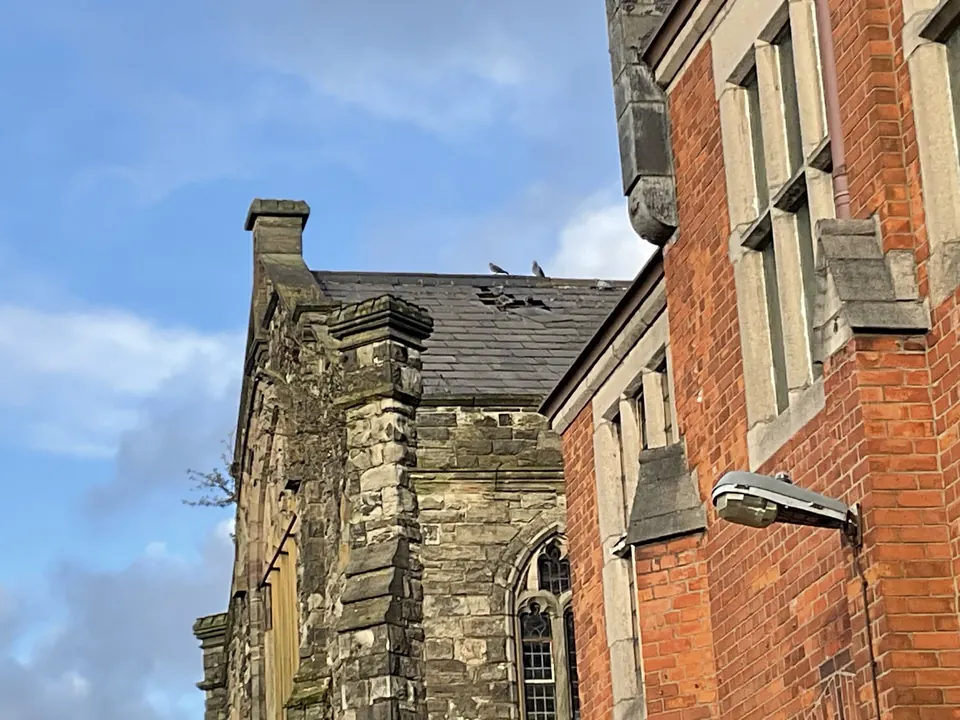
    The Belfast architects Young & Mackenzie remodel the church, bringing the front forward with a Perpendicular Gothic entrance bay in Scrabo sandstone. Records differ on the date: the Dictionary of Irish Architects gives 1889; the HED listing record gives a reopening in October 1898.

  8. 1928

    A hall for the young

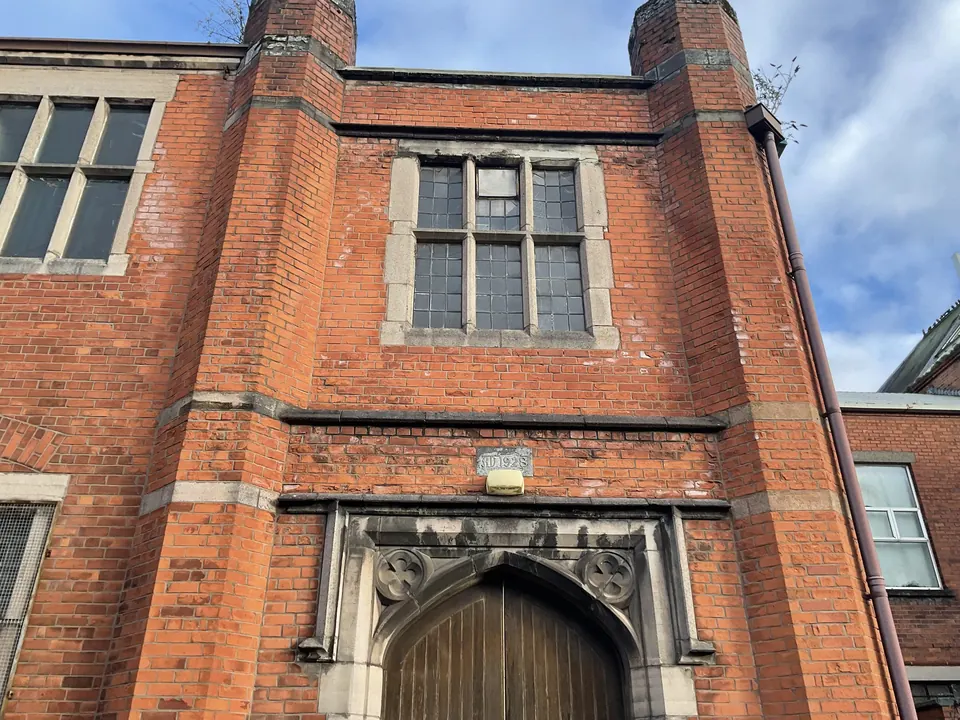
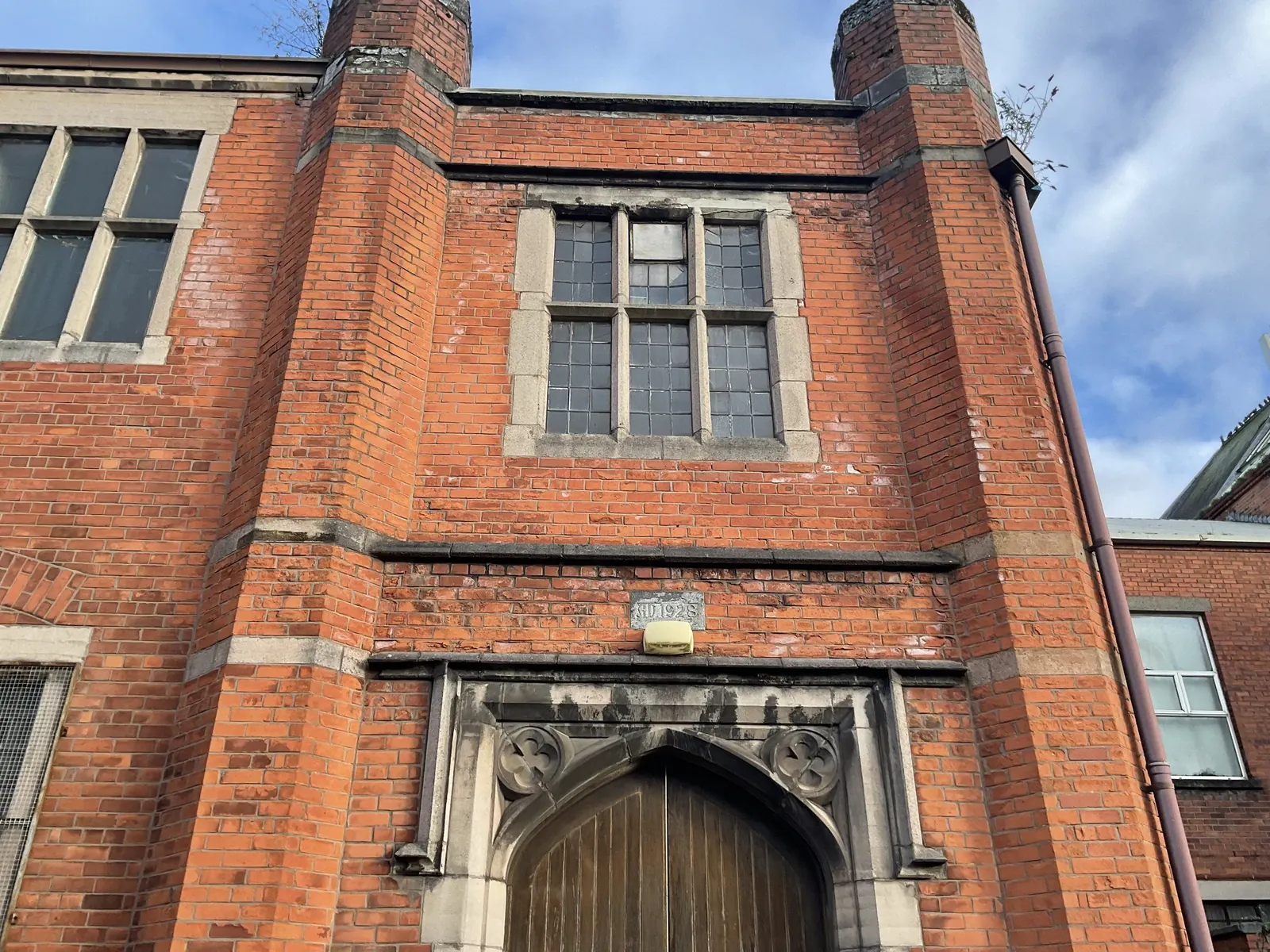
    The Lecture Hall’s foundation stones are laid on 5 May 1928, and the Duchess of Abercorn opens it on 6 October 1928. Designed by John MacGeagh, it is a seven-bay red-brick hall; its granite datestone reads “AD 1928”.

  9. 1937

    A hundred years

    The centenary is marked with renovations costing over £2,000, and J. Robinson’s Centenary Record of the congregation is published.

  10. The Troubles

    A place of peace

    According to later accounts, from 1969 the Army used the old schoolhouse next door, and worshippers passed through a military checkpoint to reach services. The church kept its doors open.

  11. 12 Sep 2010

    The last service

    After 173 years of worship, the final service is held, led by Rev. Dr David Murphy. The congregation joins Ravenhill Presbyterian Church, and the building is sold.

  12. Dec 2010

    Protected

    On 14 December 2010 the church is listed Grade B2 as a building of special architectural and historic interest (HB26/08/023 A). The Lecture Hall is recorded, but not listed.

  13. 2010–2026

    The silent years

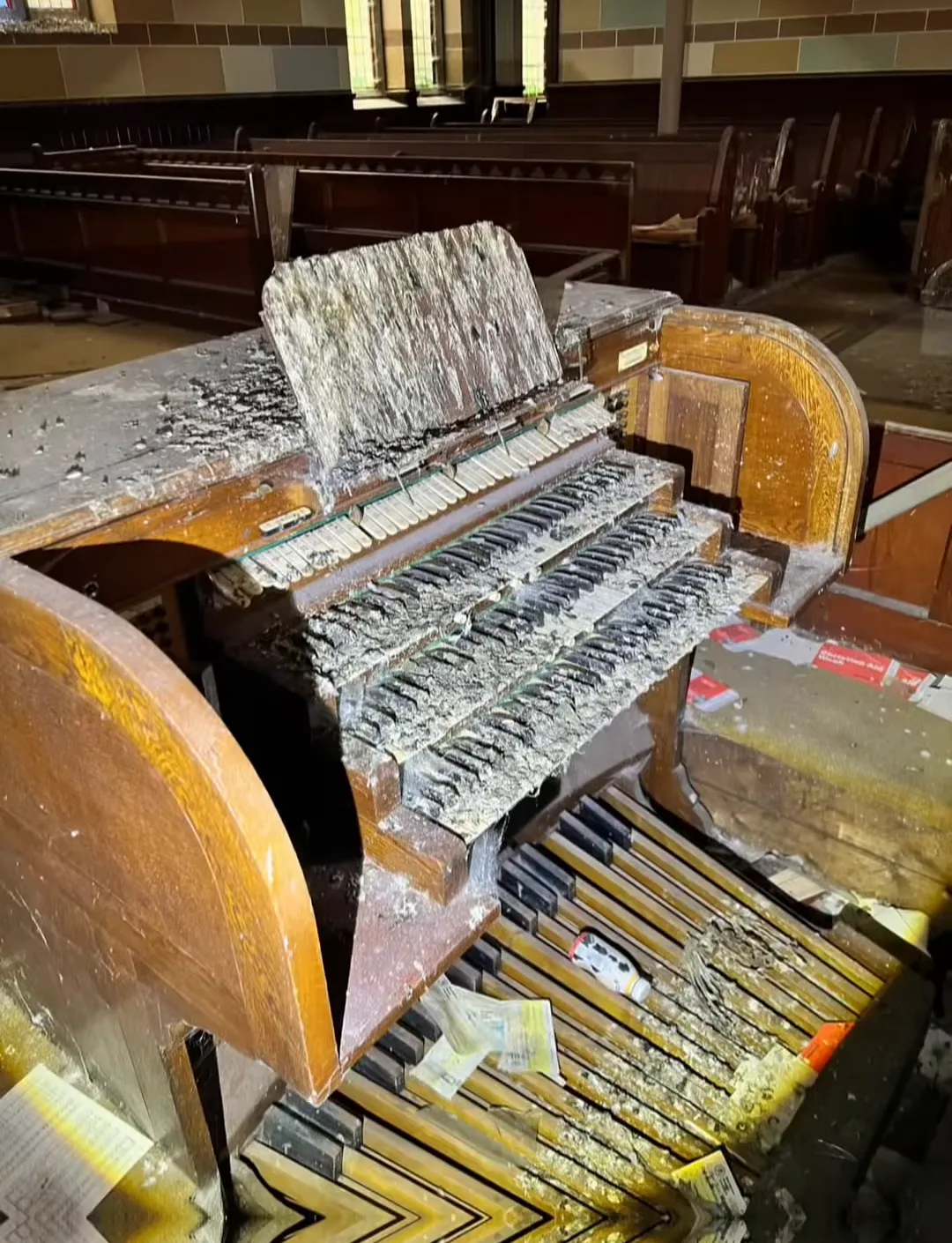
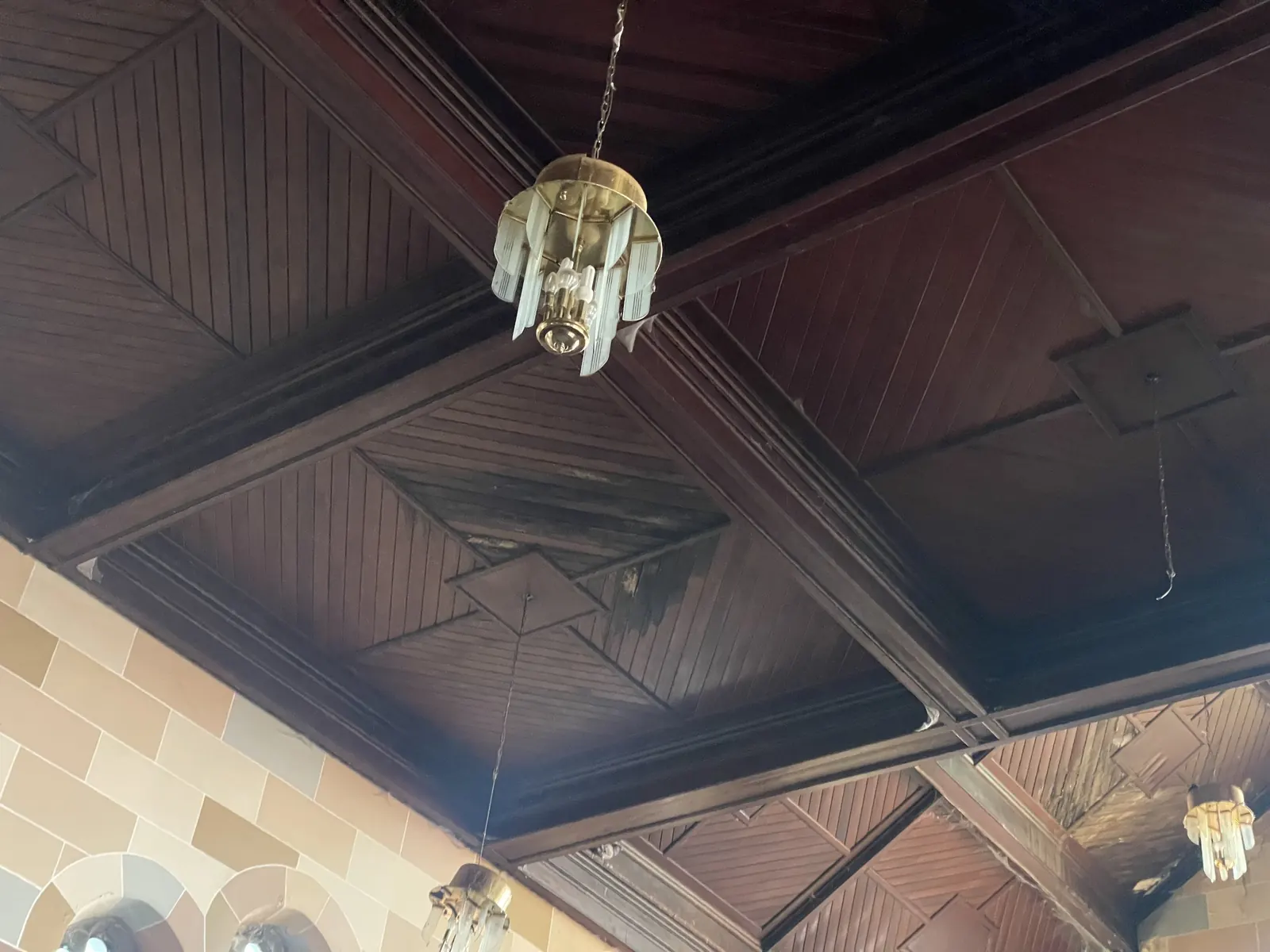
    For sixteen years the building stands empty and silent.

  14. Oct 2026

    Purchased

    Place of Victory for All Nations completes the purchase of 5 Paulett Avenue on 5 October 2026 and takes the keys on 7 October.

  15. Spring 2027

    The hall comes first

    Our aim: the Lecture Hall made safe, warm and usable by spring 2027, the first step in bringing the whole building back to life.

Stories

The people and the place.

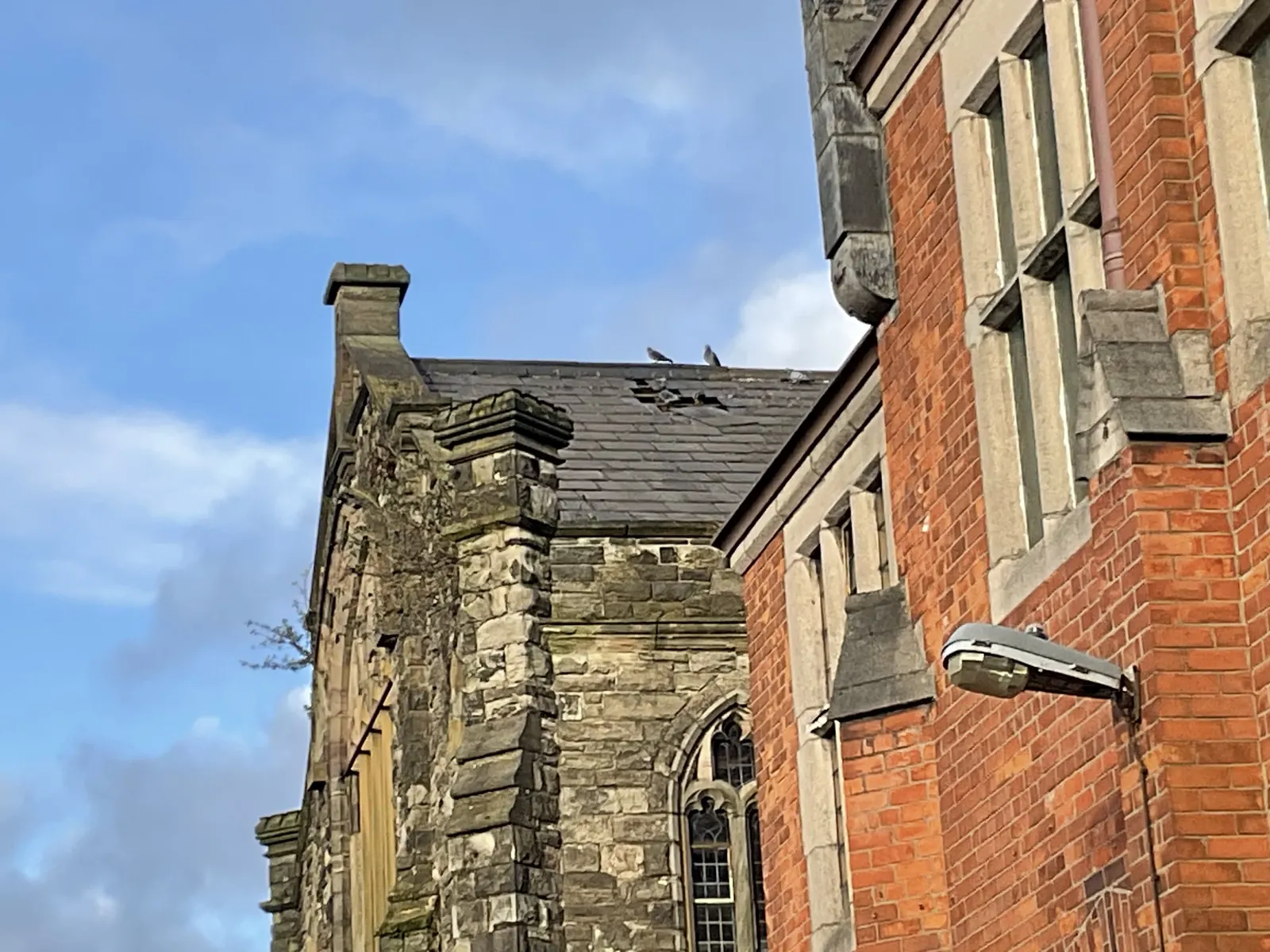
  • The sandstone front of the church
    Photo: PVN survey

    Built by weavers

    This church was not built by the wealthy. In 1835 the people of Ballymacarrett, a district of hand-loom weavers, asked to be formed into a congregation, and 193 of them signed their names to say so.

    Nearly 190 years later we are asking the same of a new generation: to put their name to it, one brick at a time.

    Lay your brick
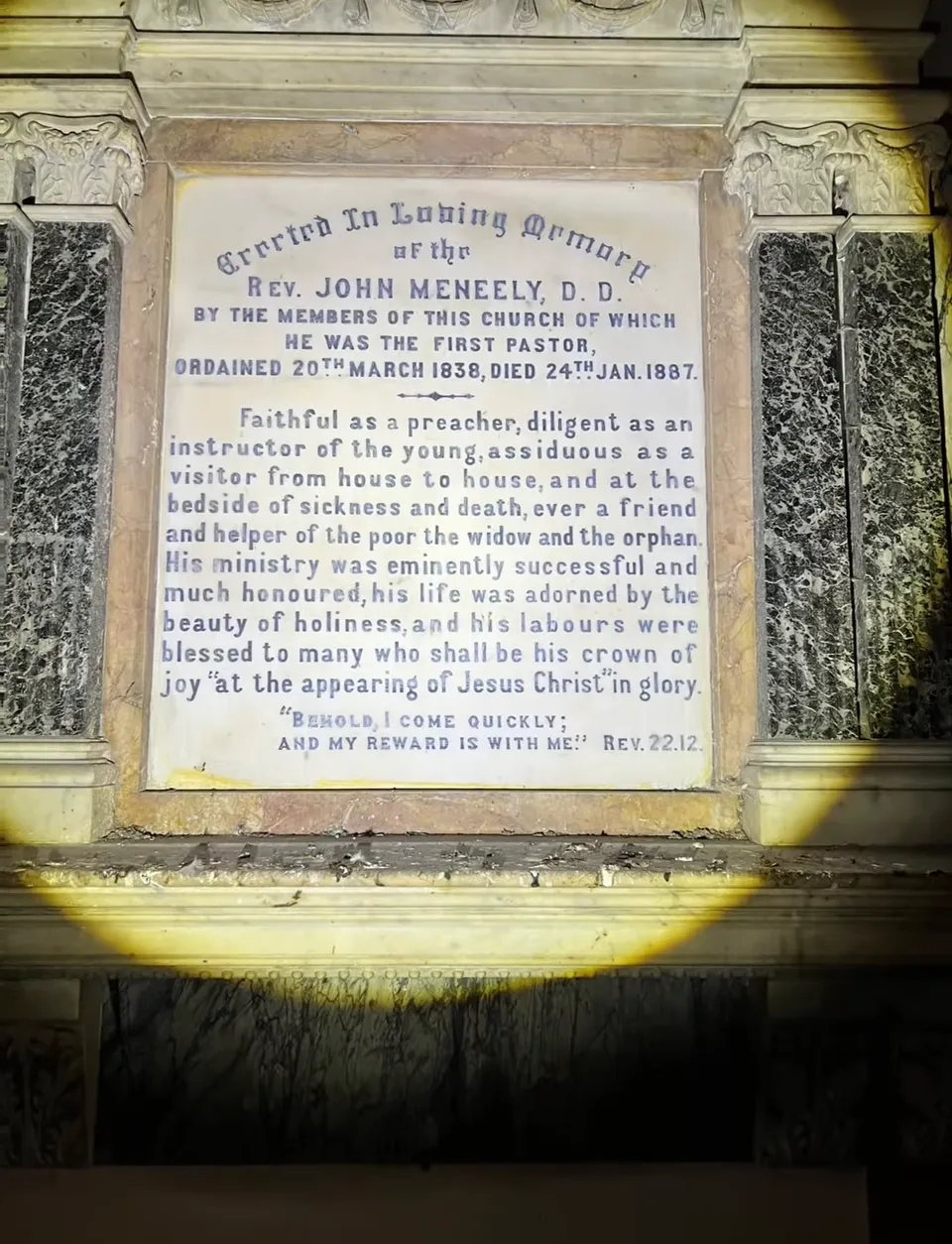
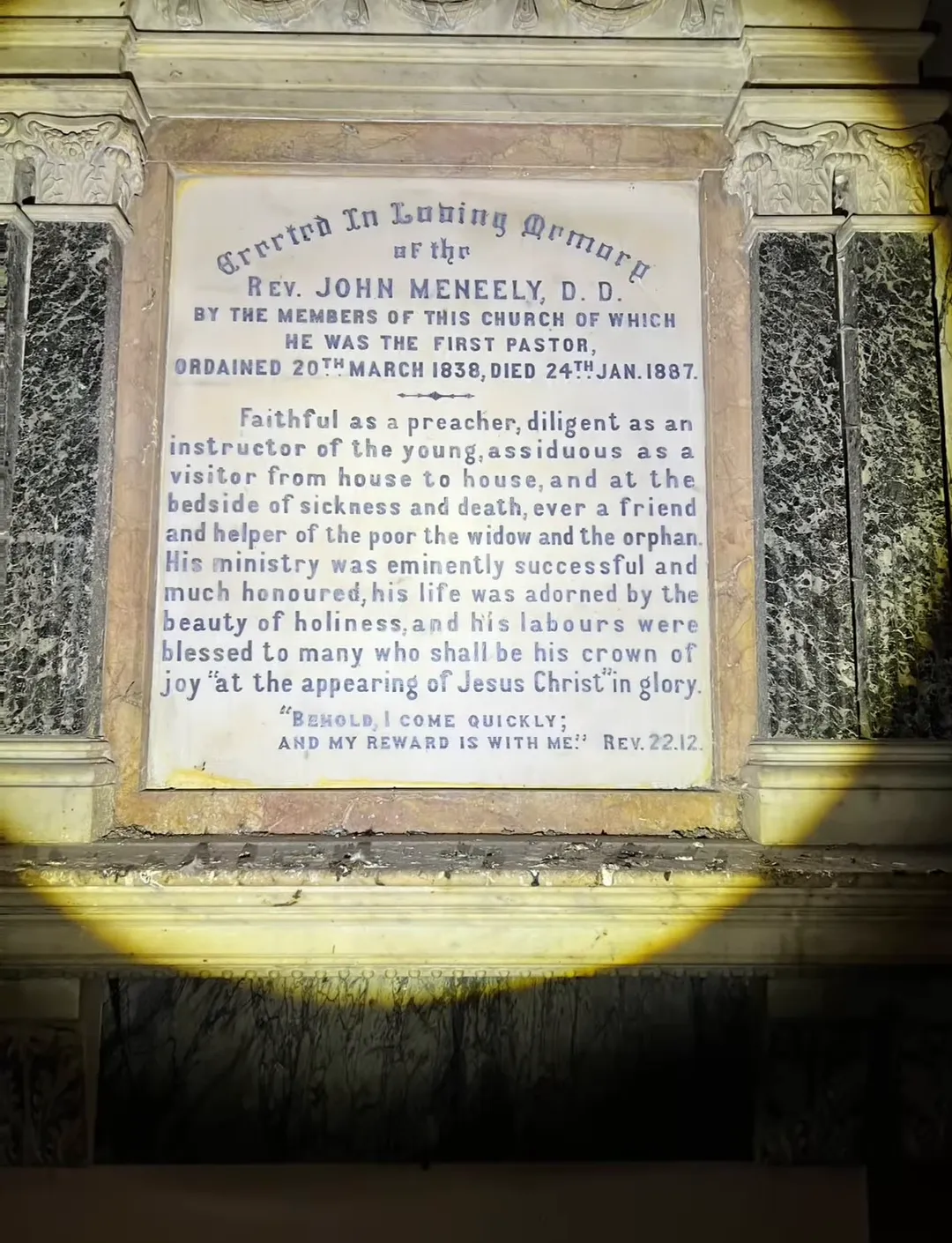
  • A marble memorial plaque to Rev. John Meneely, D.D., the congregation’s first pastor
    Video: Abandoned History

    Rev. John Meneely

    Ordained here on 20 March 1838 as the congregation’s first minister, John Meneely served for more than forty years. In 1876 he was Moderator of the General Assembly, the highest office in Irish Presbyterianism.

    A plaque inside the church, erected by its members, still honours their first pastor.

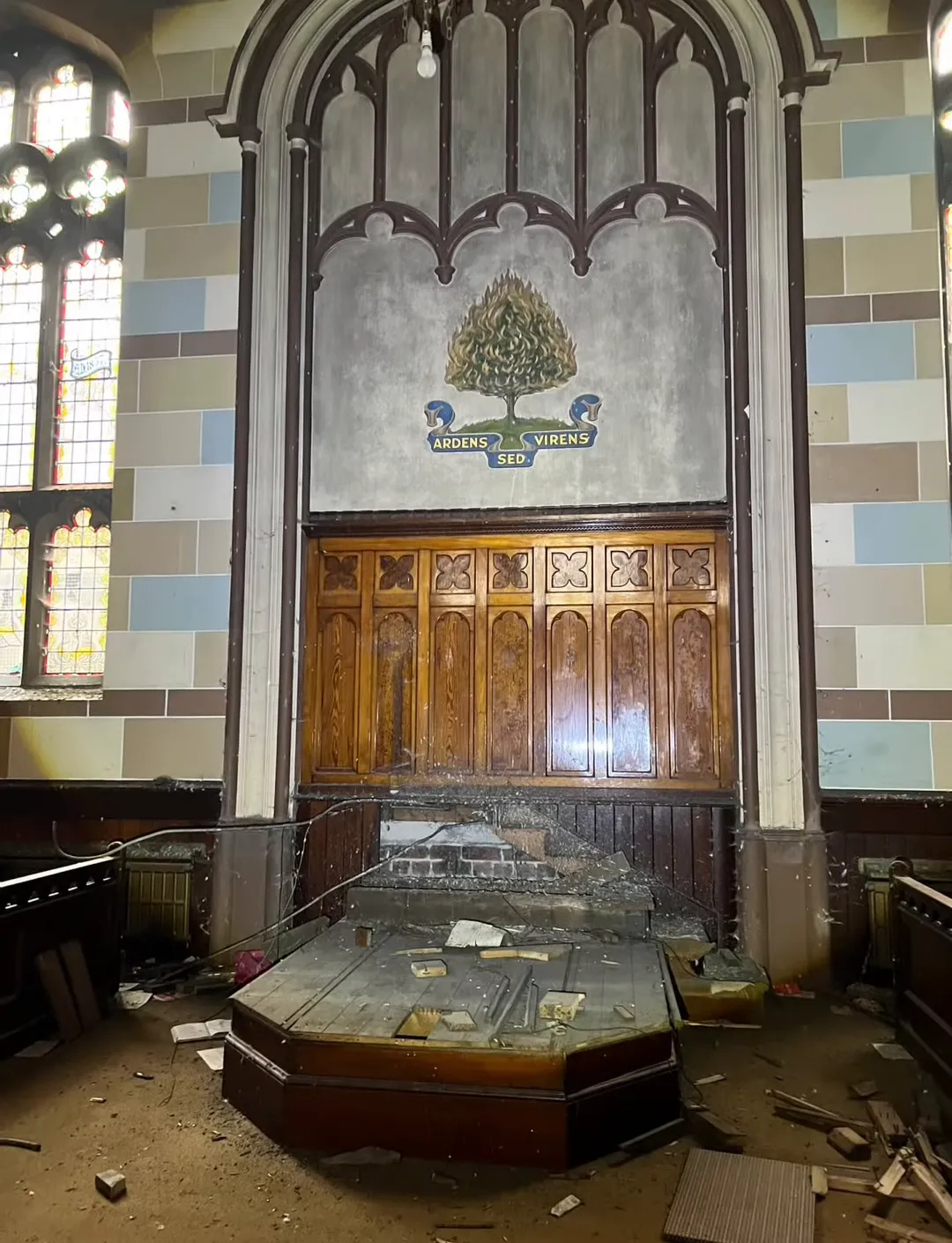
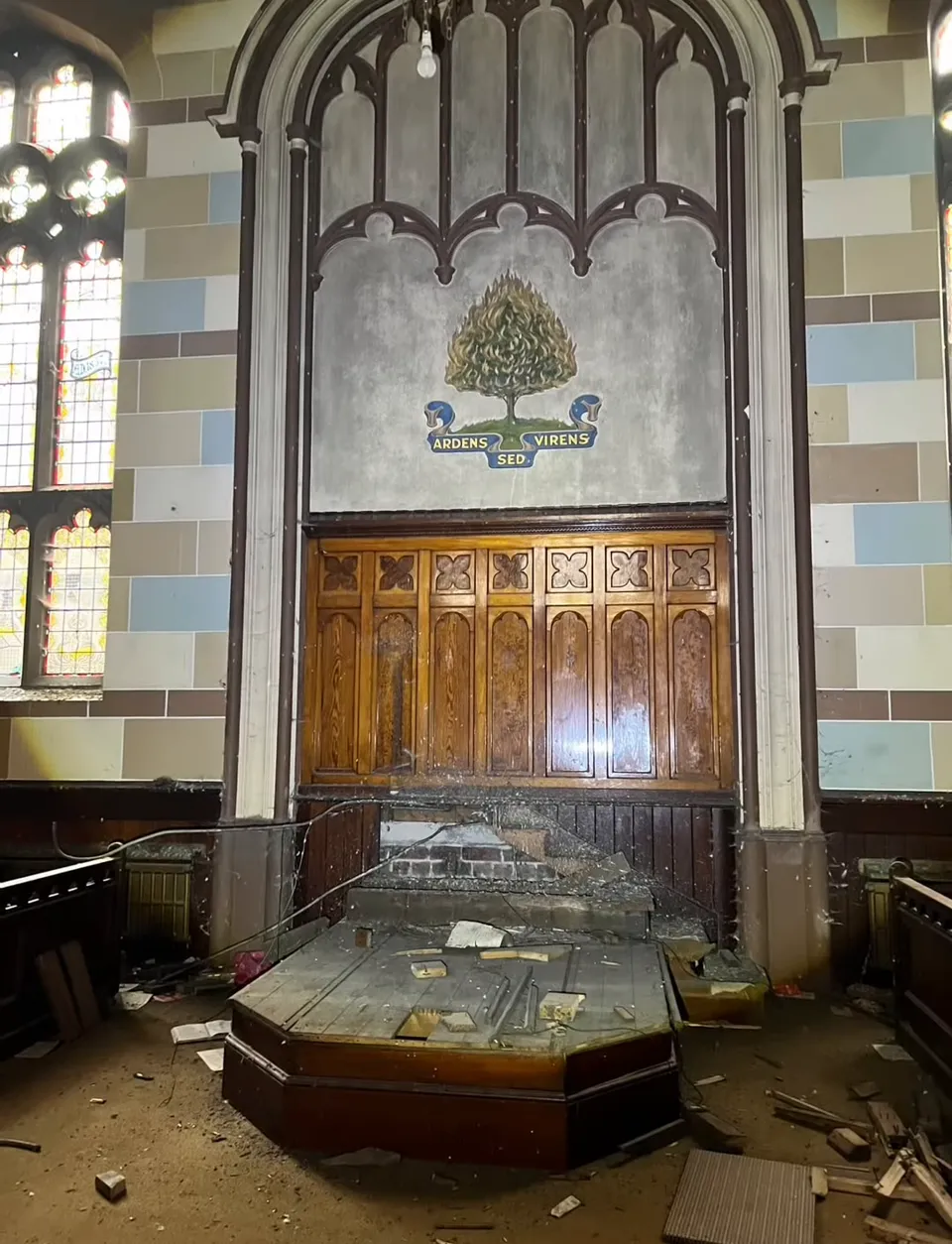
  • The arch above the platform, with the burning-bush emblem painted on the wall
    Video: Abandoned History

    Burning but flourishing

    Above the platform, the burning bush of the Presbyterian Church in Ireland is still there, with its motto Ardens sed virens: “burning but flourishing”.

    It feels like the right word for a building that has waited through sixteen silent years.

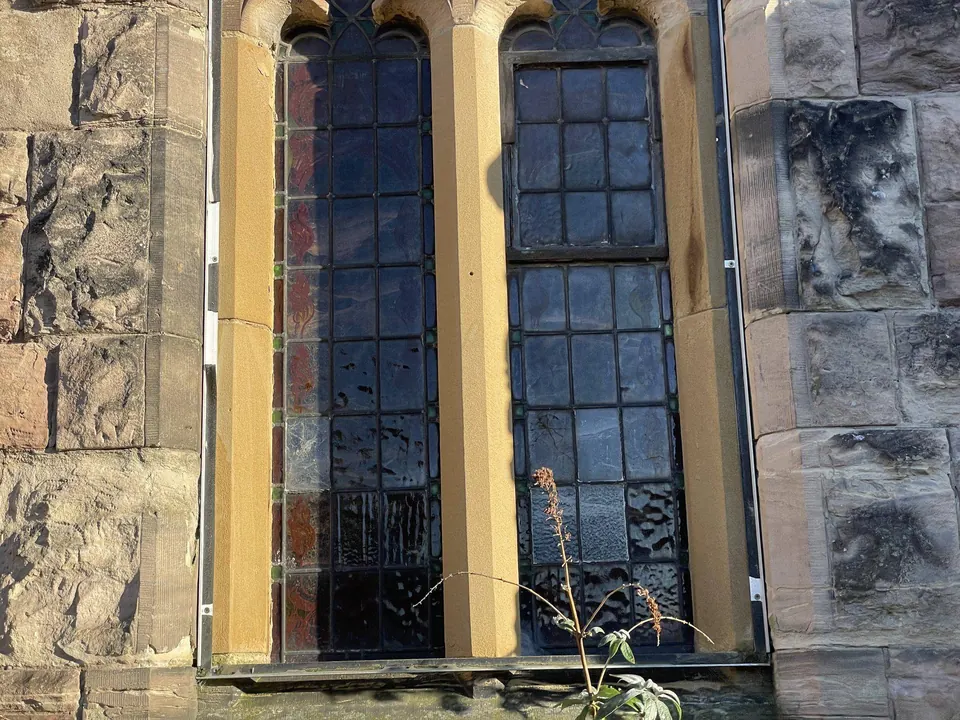
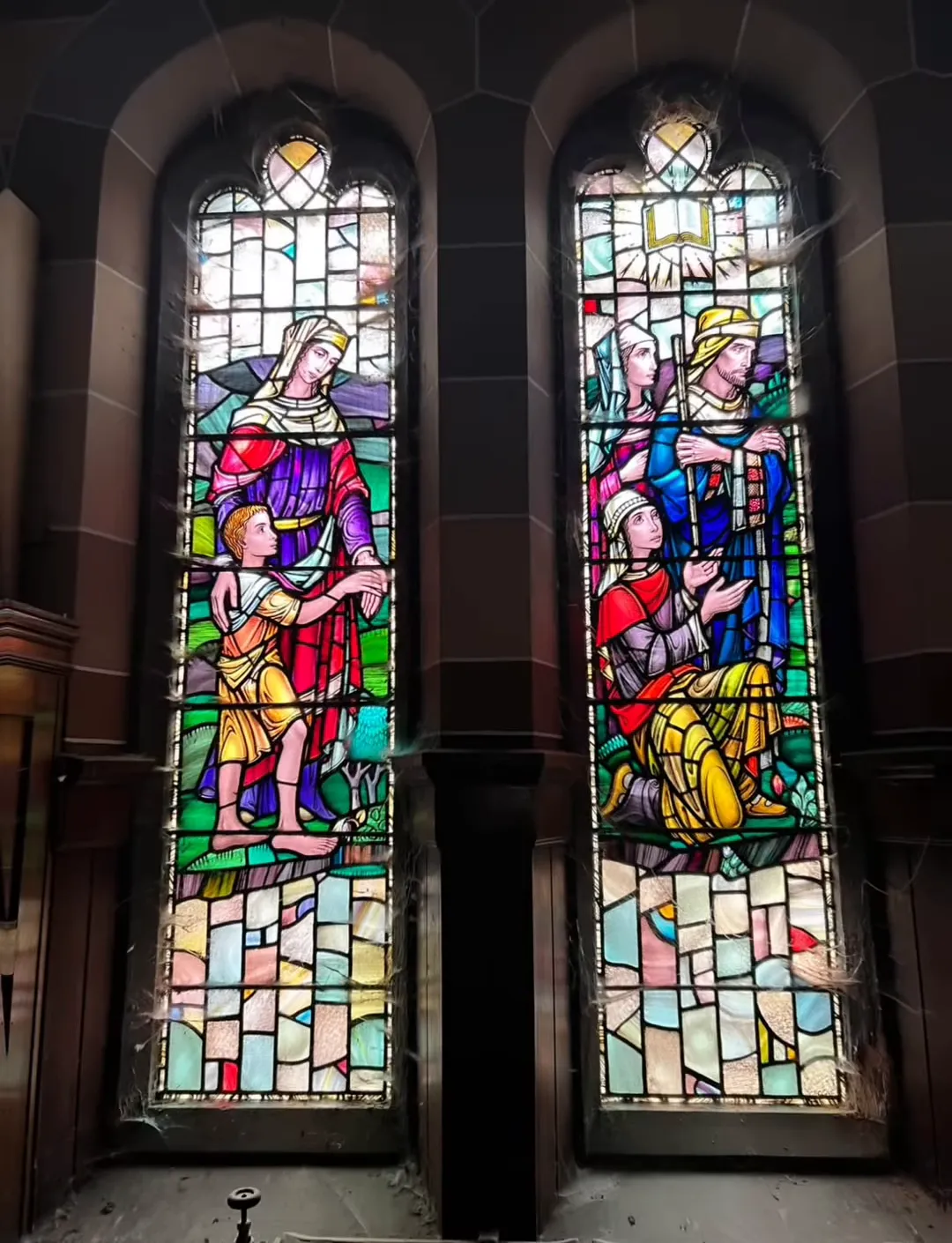
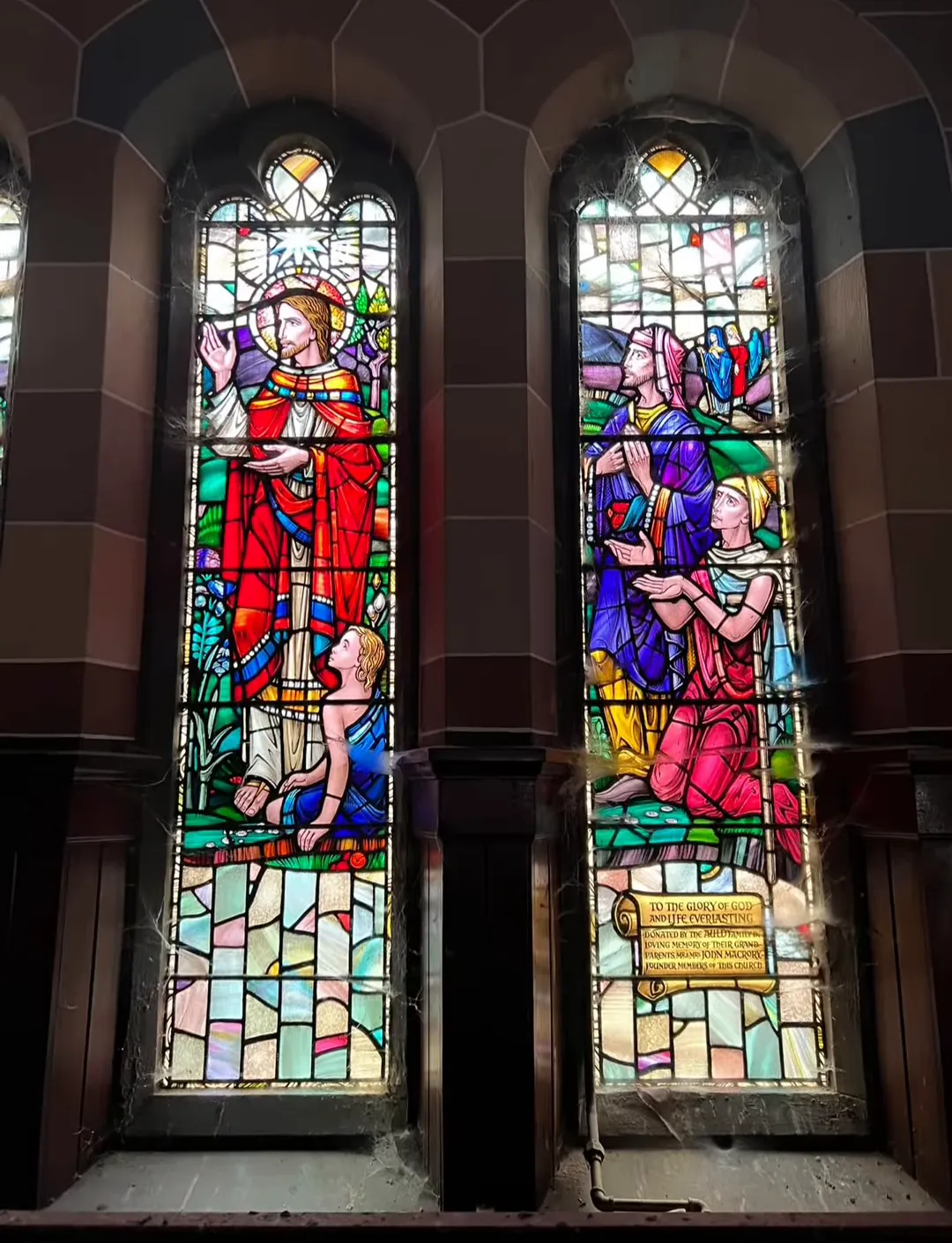
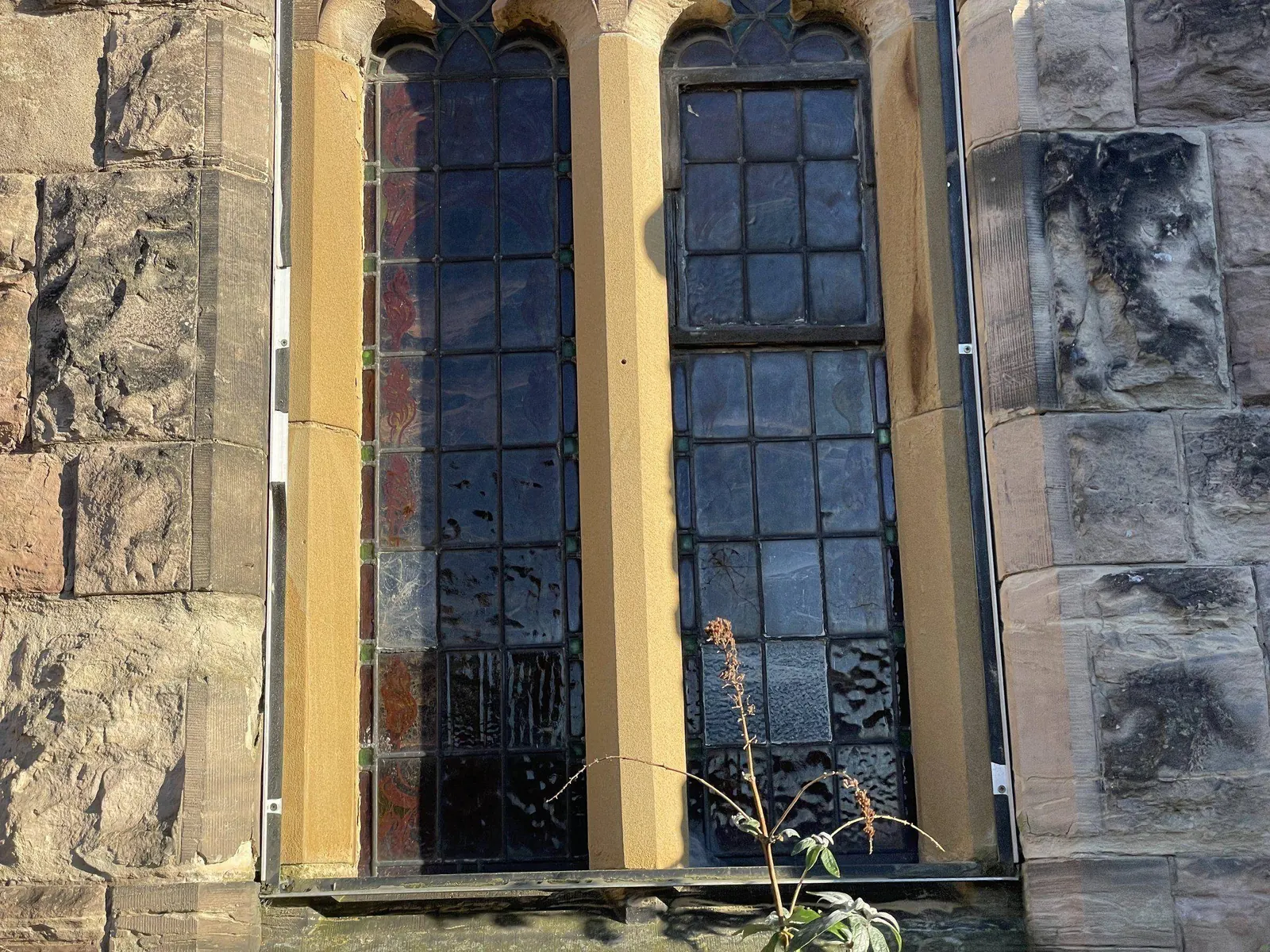
  • Tall lancet windows with coloured glazing
    Photo: PVN survey

    The architecture

    The 1837 church was a simple classical building. It grew with transepts in 1860–61, and Young & Mackenzie later gave it its Gothic front of Scrabo sandstone.

    Its listing record singles out the well-preserved interior, including stained glass by Clokey’s of Belfast.

  • The red-brick front of the 1928 Lecture Hall with its arched doorway
    Photo: PVN survey

    A hall for the next generation

    In 1928 the congregation built a Lecture Hall for its young people, designed by John MacGeagh and opened by the Duchess of Abercorn on 6 October 1928.

    With a sexton’s house it cost about £7,000, a debt the congregation cleared within seven years. It is the first part we will bring back to life.

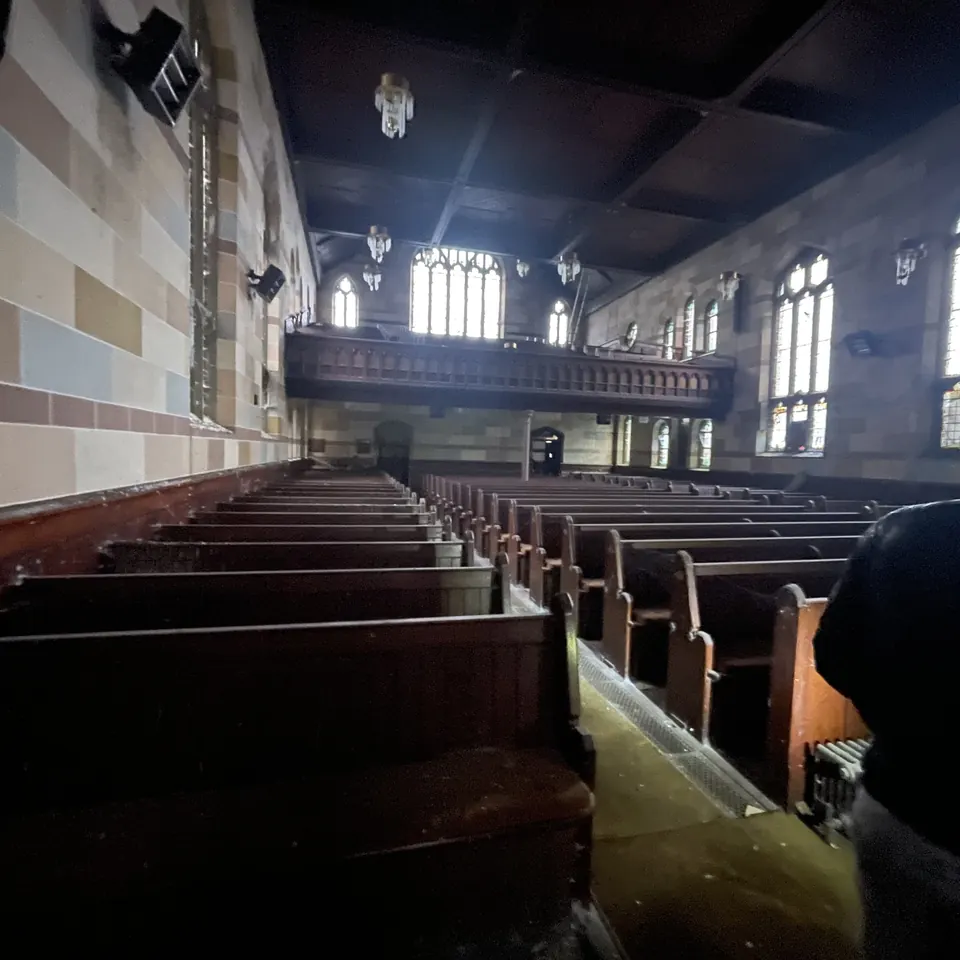
  • Rows of empty pews beneath tall windows
    Photo: PVN survey

    A place of peace

    According to later accounts, during the Troubles the Army used the old schoolhouse next door, and worshippers passed through a military checkpoint to reach Sunday services.

    Through it all, the church remained a place of peace.

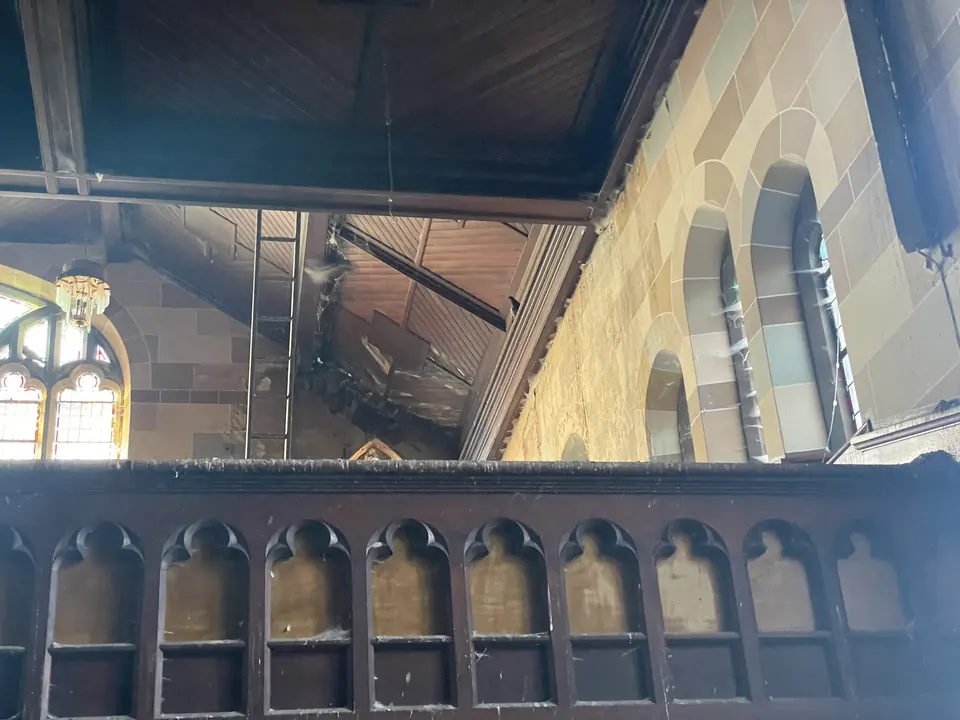
  • The gallery and its arched windows
    Photo: PVN survey

    Why it’s protected

    In December 2010 the church was listed Grade B2 (HED ref. HB26/08/023 A) for its style, proportions, ornament, interior and its place in the life of East Belfast.

    The listing covers the church. The 1928 Lecture Hall is recorded, but not listed.

Spot the details

Look closer.

Select a picture to see it larger.

Video stills: Abandoned History, from the original film (opens Facebook in a new tab). Other photos: PVN survey.

Share your memories

Were you part of the story?

Did you worship here, go to Sunday school, get married here, or grow up nearby in Ballymacarrett? We would love to hear your memories of 5 Paulett Avenue. Our team reads every one before it appears.

No memories shared yet. Yours could be the first.

Share a memory

We will not publish this.

For example 1960s–1980s

For example member, neighbour, married here

Sources

Know something we have missed, or spotted a mistake? Tell us.

Take your part of the wall.

193 names began this story. Add yours to the next chapter.

Restore 5 Paulett
Lay your brick